wo major changes reached Google Search within three days in November 2026: a broad core update and a new default AI model. If your traffic moved, you need to know which one caused it. This guide explains what Google changed, how Search now answers complex questions, and how to track AI Mode citations alongside normal rankings, so you can separate a ranking change from an AI answer change.
What Changed in Google Search in November 2026
Google began rolling out the Google November 2026 core update on November 10 and confirmed completion on November 24, after almost 14 days. Google describes it as a regular update meant to surface relevant, satisfying content. On November 12, two days into that rollout, Google made Gemini 4 Hydrogen the AI Mode default model for all users worldwide. Google also uses it for the hardest questions in AI Overviews.
Because the dates overlap, many site owners search for a “Gemini 4 Hydrogen core update”. The label is misleading. A core update changes how Google ranks pages in general. Hydrogen changes how AI Mode reads a question and builds its answer. They are separate systems, so your traffic may be affected by one, both, or neither.
How Google Answers Searches After Gemini 4 Hydrogen
AI Mode vs AI Overviews
AI Overviews are summaries shown above a normal results page. AI Mode is a conversational experience where people ask longer questions and follow-ups. Hydrogen is the default model in AI Mode, while AI Overviews use it for harder questions only. Both features show links to sources, so both matter for visibility.
Query Fan-Out and Wider Linking
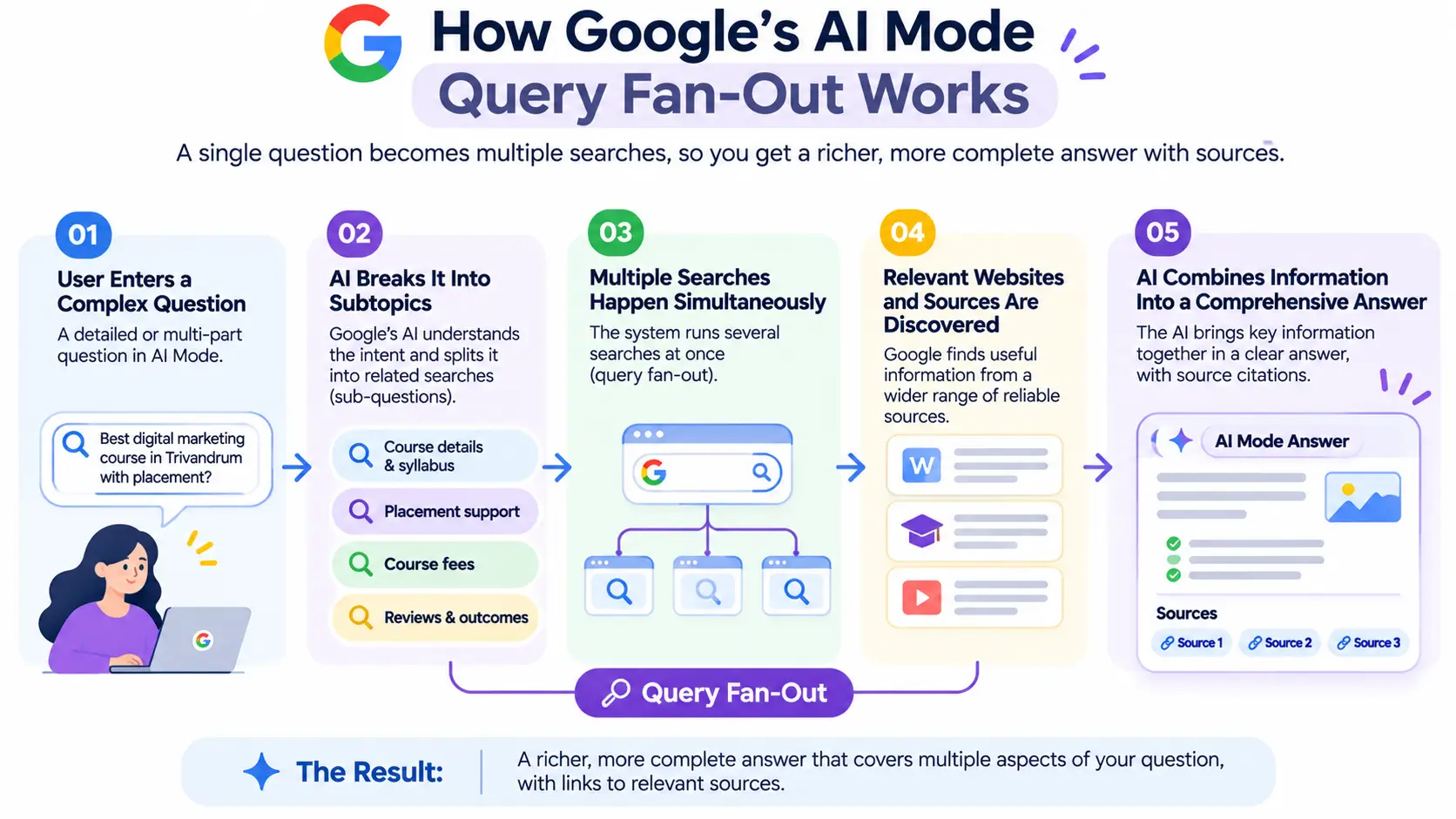
Google says Hydrogen improves query fan-out. The system splits a question into subtopics and runs several searches at once, which Google says connects people to a broader range of links, including sites they might not have found before. Hydrogen also handles multi-part questions, typos, and very specific requests, and answers carry more images, comparison tables, and custom tools.
For publishers, this means a page can be cited for a sub-question the user never typed. A page that answers one clear subtopic well has more chances to be picked up.
How to Track AI Mode Citations Step by Step
Google offers no single report listing every AI answer that mentions you, so combine three sources.
- Search Console’s Generative AI report. Under Performance, this report shows how often links to your pages appeared in AI Overviews and AI Mode, by page, country, device, and date. It shows impressions only, has no query dimension, and combines both features. Clicks remain inside the regular Web results of the Performance report. This makes it the first tool for AI Overviews citations tracking, but it tells you which pages are cited, not which questions triggered them.
- Manual prompt testing. List 20 to 30 questions your audience asks. Run them in AI Mode each week and note whether your page is cited, which other sites appear, and which subtopics the answer covers. Answers vary between users and days, so judge patterns over several weeks, not single results.
- A citation log. Record the date, question, cited URL, and answer format (list, table, or paragraph) in a spreadsheet. Over time, this log is the simplest way to track AI Mode citations by topic.
How to Check If a Core Update Affected My Site
Google’s core update guidance gives a clear method for diagnosing a Google Search Console traffic drop:
- Confirm the rollout dates on the Google Search Status Dashboard: November 10 to November 24.
- Wait at least a full week after completion, so analysis starts around December 1.
- Compare that week with the week before the rollout began, roughly November 3 to 9.
- Review your top pages and queries, and analyze web, image, video, and news results separately.
Retail sites should remember that Black Friday can distort the comparison.
Next, read the pattern. These signs are practical heuristics, not statements from Google:
- Positions fell across many queries and pages: this looks like a core update effect. Google says core updates are broad and do not target specific sites.
- Positions held but clicks fell, while pages gained AI impressions: the AI answer may be satisfying users before they click.
- Only informational pages dropped after November 12: check whether AI Mode now answers those questions directly, and whether you are cited.
If you need to track AI Mode citations for these pages, start with the ones that lost the most clicks.
Core Update Recovery Checklist
Google notes that content improvements can lift positions over time, and that smaller unannounced core updates happen continually, so you do not have to wait for the next major one. Use this core update recovery checklist:
- Record the affected pages, queries, and date ranges before changing anything.
- Compare your pages with the sites now ranking above you and note what they cover that you do not.
- Strengthen thin or generic pages with original data, first-hand examples, and current facts.
- Fix indexing problems, broken internal links, and outdated information.
- Change pages in batches and re-measure, so you know which edit worked.
How to Optimize for AI Mode After Hydrogen
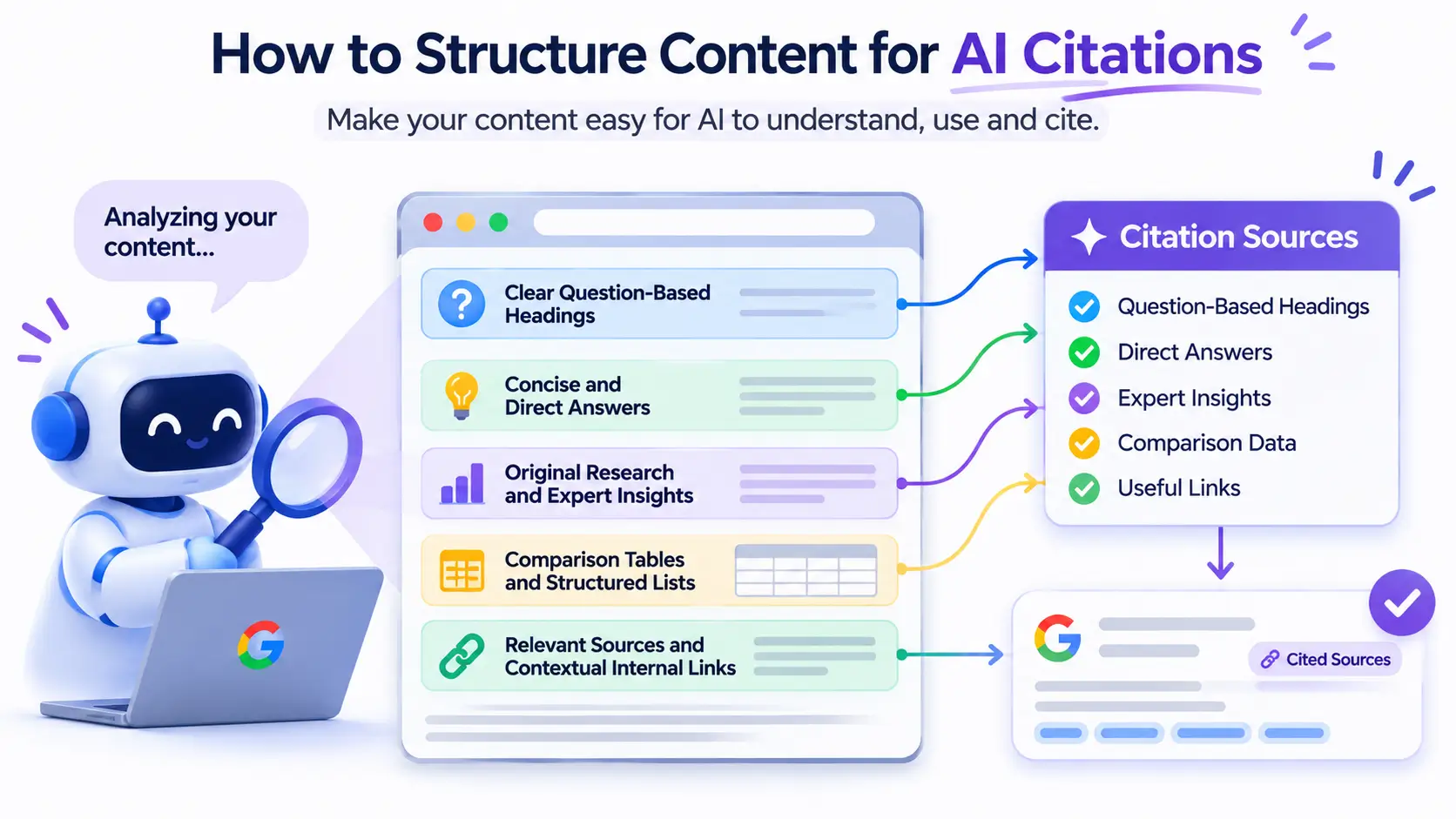
Once you track AI Mode citations, act on what the log shows. Google’s own AI optimization guide says optimizing for generative AI search is still SEO, and the practical steps follow from how fan-out works:
- Give each section one clear subtopic and a descriptive heading.
- Offer content that is not easily copied elsewhere, such as original data, expert input, and real experience.
- Use comparison tables or structured lists where the topic suits them, since Hydrogen answers show more of both.
- Keep pages indexable so they remain eligible for citation.
For a deeper method, read our guide on how to structure content for GEO so AI cites you. Google’s announcement of the Gemini 4 Hydrogen Search upgrade and its core updates documentation are worth reading, along with Google’s AI optimization guide.
Frequently Asked Questions
Is there an official Gemini 4 Hydrogen core update?
No. Google announced the November 2026 core update and the Gemini 4 Hydrogen Search upgrade separately. The overlap in dates is why the two get confused.
Can Search Console show which queries trigger my AI citations?
No. The Generative AI report has no query dimension. Some AI Mode queries appear in the regular Performance report, so pair both reports with manual prompt testing.
How often should I track AI Mode citations?
Weekly works for most sites. It shows trends without reacting to daily variation in AI answers.
Does ranking on page one guarantee an AI citation?
No. Google does not promise citations. A strong page that answers a specific subtopic clearly has a better chance, but nothing guarantees inclusion.
Should I rewrite my site after a traffic drop?
Not immediately. Wait for the comparison window, identify affected pages, and improve those first.
Conclusion
The November 2026 core update and Gemini 4 Hydrogen arrived together, but they affect different parts of Search. Compare Search Console data using Google’s method, then track AI Mode citations through the Generative AI report, weekly prompt tests, and a citation log. Improve pages with original, well-structured answers instead of chasing every fluctuation. To build these skills through structured training, explore the Advanced Diploma in Digital Marketing at Dotin Academy.


