 Skip to content
SEO in 2025 – Quick Overview
SEO in 2025 evolved rapidly with the rise of AI-powered search and Generative Engine Optimization (GEO). Traditional SEO remains essential, but success now depends on brand authority, sufficient content depth, and optimization for AI-generated search experiences.
Key Takeaways
– GEO is an evolution of SEO, not a replacement
– Brand authority became a major ranking signal
– AI search still relies on traditional retrieval
– WordPress is preparing for deeper AI integration
– Organic clicks declined for many publishers
Overall, 2025 marked a turning point. The year opened with widespread anxiety about whether SEO would remain relevant in an AI-dominated search landscape. It ended with a clearer understanding that SEO remains central, though transformed, as professionals adapted to new ranking systems, AI interfaces, and evolving user behaviour. WordPress followed a similar arc, finishing the year with version 6.9 and a roadmap aligned with AI-led publishing.
The Rise of Generative Engine Optimization (GEO)
Why SEOs Turned to GEO in 2025
2025 was the year GEO entered mainstream SEO discussions. Growing client pressure to “rank in AI search” pushed agencies and consultants to offer GEO-focused services. This created an awkward overlap. While GEO was marketed as something new, most recommendations still relied on established SEO fundamentals.
Is GEO Really Different from Traditional SEO?
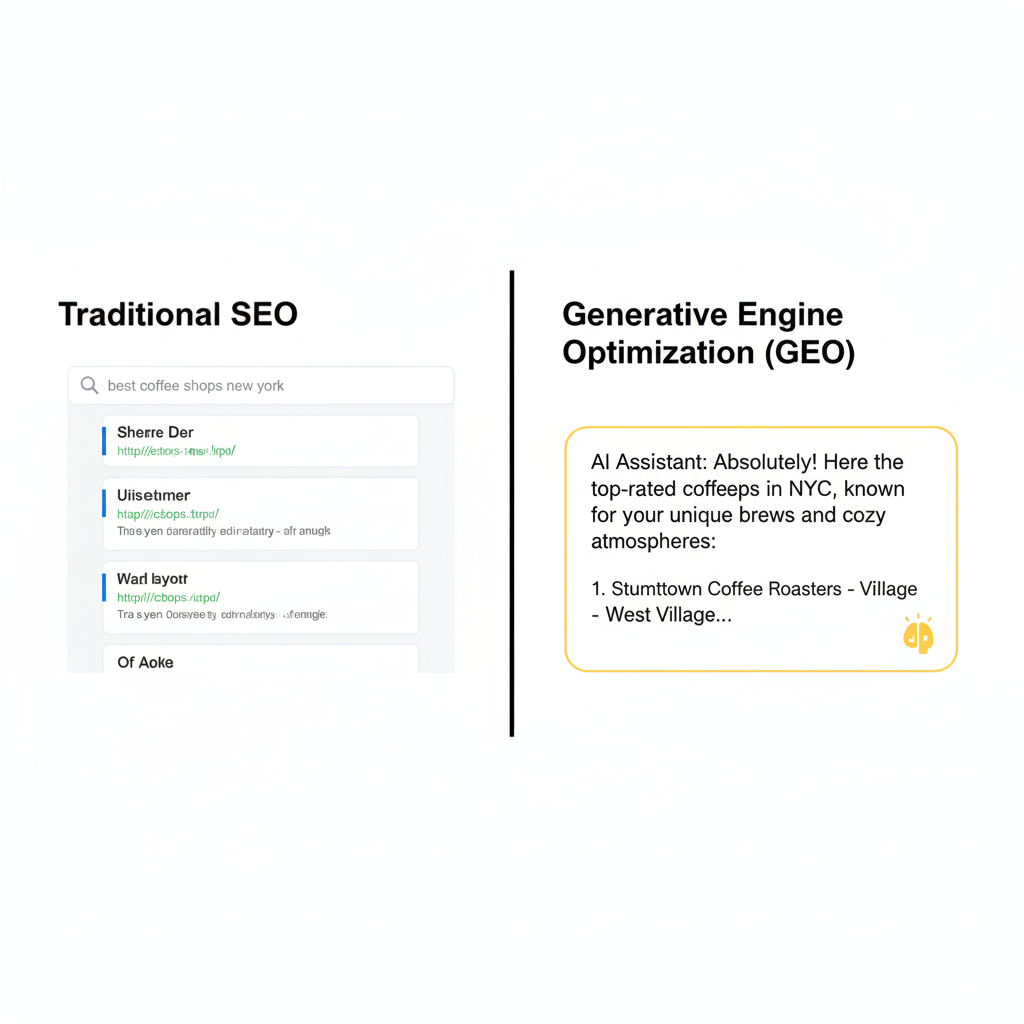
Attempts to define GEO as a discipline entirely separate from SEO struggled to gain clarity. The reality was more nuanced. AI search systems continued to rely on traditional search infrastructure for retrieval, even as they re-ranked and summarized content differently. GEO emerged less as a replacement for SEO and more as an evolution in how search results are interpreted and presented.
WordPress SEO Plugins and the GEO Shift
Introduction of LLMs.txt in WordPress Plugins
Demand for GEO-specific solutions also influenced WordPress SEO plugins. Several plugins introduced features to generate LLMs.txt files, a proposed standard meant to guide AI systems toward site content.
Does LLMs.txt Actually Improve AI Visibility?
However, the practical value of LLMs.txt remained questionable. No major AI providers officially adopted or supported the standard. While some plugin developers positioned it as future-proofing, others were more transparent, acknowledging that there was no evidence it improved visibility in AI search.
This moment highlighted a broader theme of 2025. Many GEO tools were driven more by market demand than by proven effectiveness.
Industry Response to GEO Features
The debate around LLMs.txt took an ironic turn when it was discovered that Google itself briefly hosted an LLMs.txt file. The file was removed quickly, but the incident caused confusion and speculation within the SEO community.
Google representatives had already stated clearly that LLMs.txt was not a viable or supported approach. The temporary presence of the file did not signal endorsement, despite some GEO advocates claiming otherwise. Instead, it reinforced how experimental and unsettled this area remained.
Google’s Stronger Focus on Brand Signals
Why Brand Searches Matter More in 2025
One of the clearest messages from Google in 2025 was the importance of brand recognition. At a Search Central Live event in New York, Google’s Danny Sullivan emphasized that strong brands tend to perform better in search because users actively look for them, refer to them, and trust them.
Branded searches were discussed not as a trick or ranking hack, but as a reflection of user recognition. When people search for a site or company by name, it signals familiarity and trust. This behaviour correlates with many signals associated with search success.
Brand, in this context, is not limited to large companies. Even small publishers and niche businesses can build a recognizable identity. Being memorable, distinct, and recommended by users matters more than publishing yet another generic version of already-saturated content.
User Behaviour as a Trust Signal
User behaviour remains a trusted signal for evaluating qualities associated with experience, expertise, authoritativeness, and trustworthiness. These qualities are not added mechanically to a website. They emerge from how users interact with content and whether they choose to return, recommend, and engage.
Major Google AI and Search Innovations
Google’s Thematic Search Patent Explained
One of the most discussed patents in 2025 described a thematic search system powered by large language models. Instead of returning a flat list of results, the system groups content into themes and sub-themes, each with its own summaries.
This approach closely resembles what users now see in AI-powered search modes. Importantly, the system still relies on a traditional search engine for document retrieval. The difference lies in how results are reorganized, summarized, and ranked across multiple related intents.
This is where GEO meaningfully diverges from classic SEO. While retrieval is familiar, what gets ranked is no longer limited to the original query. Sub-themes and related interpretations are also evaluated, expanding the scope of visibility and competition.
Personalization in AI-Generated Answers
Another significant patent focused on personalization in AI-generated answers. It outlined five contextual factors that influence responses:
- Time, location, and environmental context
- User-specific context
- Dialog intent and prior interactions
- Input methods such as text, touch, or speech
- System and device context
The first four factors shape the content of AI answers, while the last determines whether AI-generated responses should be used at all.
The patent also introduced the concept of related intents. AI systems can infer secondary or adjacent intents and generate additional queries automatically. This explains why AI search results often feel broader and more conversational than classic search results.
Personal History-Based Search
Google also explored how AI can help users rediscover information they previously encountered. A patent titled Generating Query Answers From A User’s History described a system that allows natural language queries across personal browsing and email history.
Instead of relying on exact keywords, the system interprets fuzzy queries such as time frames and topics. This represents a shift toward more intuitive search experiences that align closely with how users think and remember information.
The “Sufficient Context” Signal
A notable research paper introduced the concept of a “sufficient context” signal. This innovation helps AI systems determine whether retrieved content contains enough information to answer a query accurately.
Key insights from the research included:
- Content can appear relevant but still lack sufficient context.
- Hallucinations can occur even when context is sufficient.
- Models may answer correctly with insufficient context due to training data.
- Combining context sufficiency with confidence signals reduced hallucinations by up to 10 percent.
For SEO, the implication is clear. Content must fully support the topics it covers. Thin or incomplete pages are less likely to be trusted by AI-driven systems.
MUVERA and Faster AI Retrieval
Google’s MUVERA technology addressed a long-standing challenge in AI retrieval. It enables multi-vector models to operate at speeds similar to single-vector systems while preserving detailed token-level matching.
This advancement allows search systems to compare individual words more precisely without excessive computational cost. It represents an important step toward more accurate and scalable AI-powered retrieval.
WordPress and AI — What Changed in 2025
Introduction of the WordPress Abilities API
WordPress made significant progress toward AI integration in 2025. The introduction of the WordPress Abilities API created a standardized way for plugins and themes to register functionality with clear schemas and permissions.
This framework allows AI systems to understand and safely interact with WordPress capabilities across the ecosystem. It reduces fragmentation and opens the door to more coordinated AI-driven workflows.
Future of AI-Assisted Publishing
At the December State of the Word event, WordPress leadership outlined a future where hundreds of specialized AI models assist with specific tasks. Rather than relying on a single large model, smaller, task-focused models could handle activities like logo creation, layout generation, and routine content work.
This approach positions WordPress as a platform where AI handles repetitive tasks, allowing publishers to focus on strategy, creativity, and meaningful engagement
SEO Challenges and Lowlights in 2025
Google Blocking Rank Trackers
One of the more disruptive moments of the year came when Google blocked rank trackers from scraping the top 100 search results. An unintended consequence was a sudden drop in reported keyword impressions in Google Search Console.
This revealed that rank trackers had been inflating impression data. As a result, long-standing assumptions about zero-click searches were revisited. Lower click-through rates were not always due to featured snippets or AI answers but, in many cases, inflated impression counts.
The Reality of Declining Organic Clicks
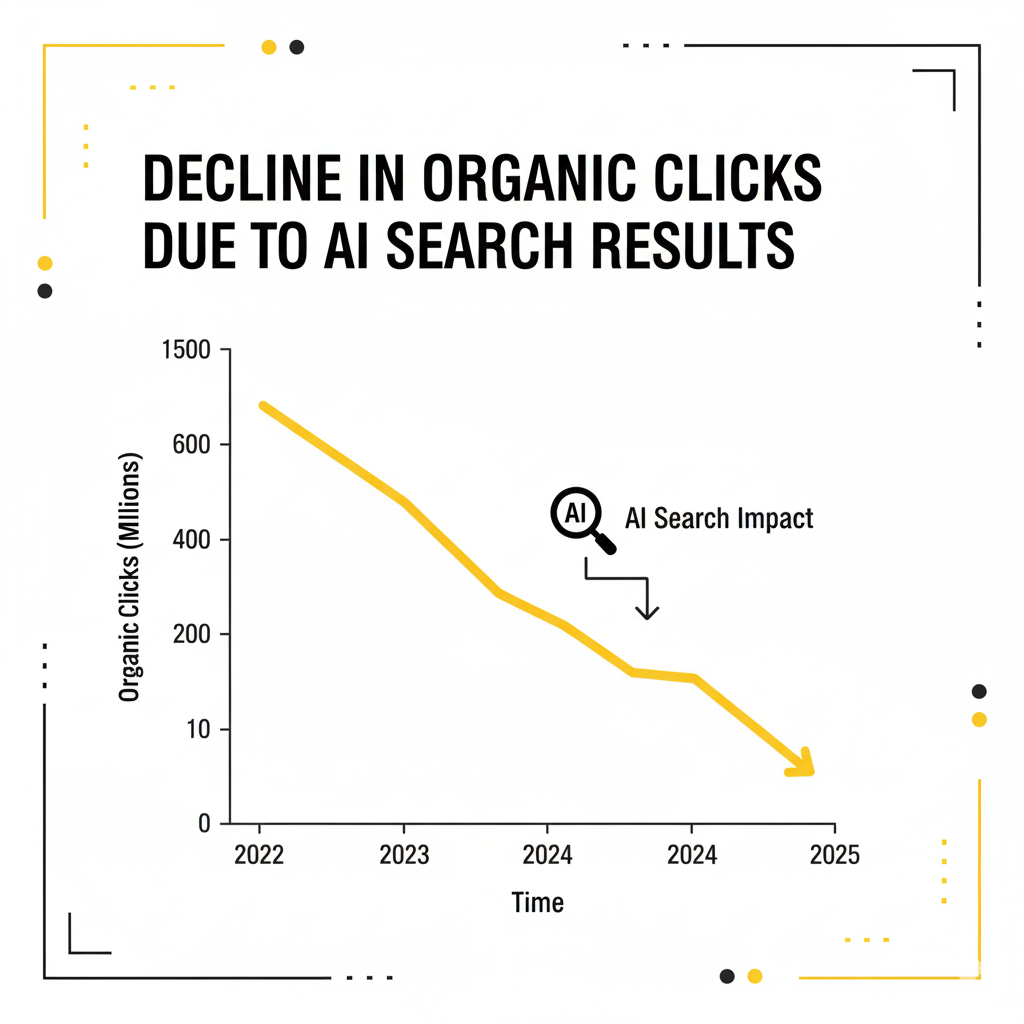
Despite debates over metrics, declining organic clicks became a real concern in 2025. Many businesses reported traffic losses attributed to AI Overviews and AI-powered search modes.
While Google maintained that AI features drove more engagement overall, the experience of publishers and SEOs often suggested otherwise. Reduced visibility and fewer clicks became one of the defining challenges of the year.
WordPress vs WP Engine Controversy
The most controversial WordPress story of 2025 involved a public and legal conflict between Automatic, WordPress co-creator Matt Mullenweg, and WP Engine.
Actions taken against WP Engine included restricting ecosystem access and releasing a competing plugin. WP Engine responded with a federal lawsuit, followed by counterclaims from Automatic.
While there was broad agreement that large companies should support open-source projects, the aggressive approach taken in this dispute generated significant backlash.
Community Sentiment and Trust Issues
The conflict led to sustained negative sentiment toward WordPress leadership. Developers and community members expressed concern about governance, trust, and the long-term stability of the ecosystem.
Online discussions and social media reactions reflected anxiety about centralized power and the implications for plugin developers and hosting providers. Even supporters of WordPress acknowledged that the situation damaged confidence within the community.
What SEO Professionals Should Prepare for in 2026
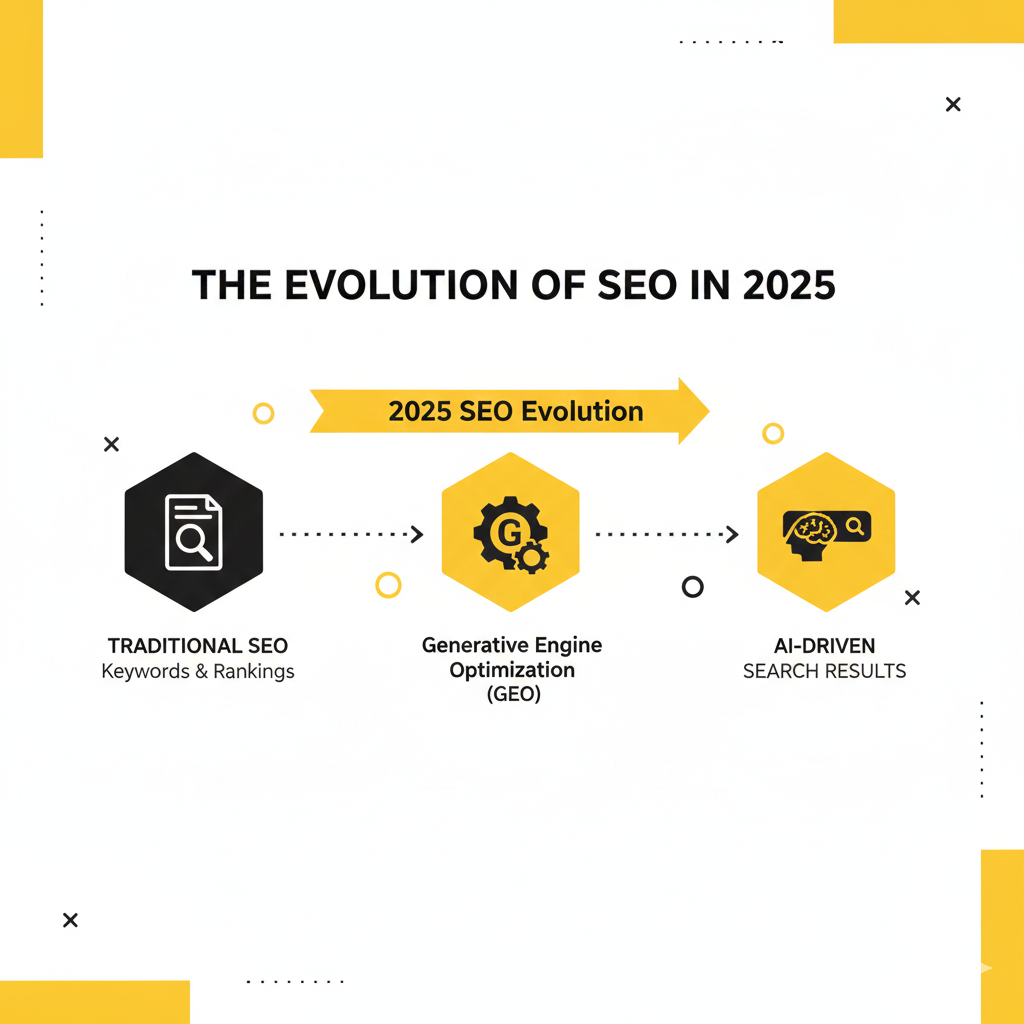
2025 was a year of transition rather than resolution. SEO, AI-powered search, and WordPress spent much of the year adapting to structural changes that will continue to evolve. Traditional SEO did not disappear; instead, it transformed to fit a landscape shaped by AI summaries, personalization, and shifting user behaviour.
For professionals and students exploring a digital marketing course in Kerala, these changes highlight the growing importance of AI-aware SEO skills and strategic adaptability. WordPress closed the year stronger than it began, with a clearer AI roadmap and improved technical foundations. Overall, 2025 acted as a bridge to 2026, setting the stage for deeper integration between AI systems, search technologies, and modern digital marketing practices.


