 Skip to content
Magento, now officially known as Adobe Commerce, is one of the most powerful ecommerce platforms available today. Its flexibility, scalability, and enterprise-level capabilities make it a preferred choice for large and complex online stores. However, this same complexity can create significant SEO challenges if the platform is not implemented and maintained correctly.
In 2026, Magento SEO goes far beyond basic crawlability and keyword usage. Search engines now prioritize Core Web Vitals, mobile-first indexing, structured data, and AI-driven search understanding. Without a strong technical foundation, even well-designed Magento stores can struggle with visibility, indexing, and conversions.
This guide breaks down the most common Magento (Adobe Commerce) SEO issues, explains why they matter, and outlines best practices to ensure long-term organic growth and AI search readiness.
Is Magento SEO-Friendly in 2026?
Magento is not fully SEO-optimized out of the box, but it is highly SEO-capable when configured properly. With the right hosting environment, clean architecture, optimized content, and structured data, Adobe Commerce can compete effectively in organic search even at enterprise scale.
The key is understanding where Magento commonly fails and addressing those issues proactively during development and ongoing optimization.
Core Technical SEO Challenges in Magento
Site Speed & Core Web Vitals Issues
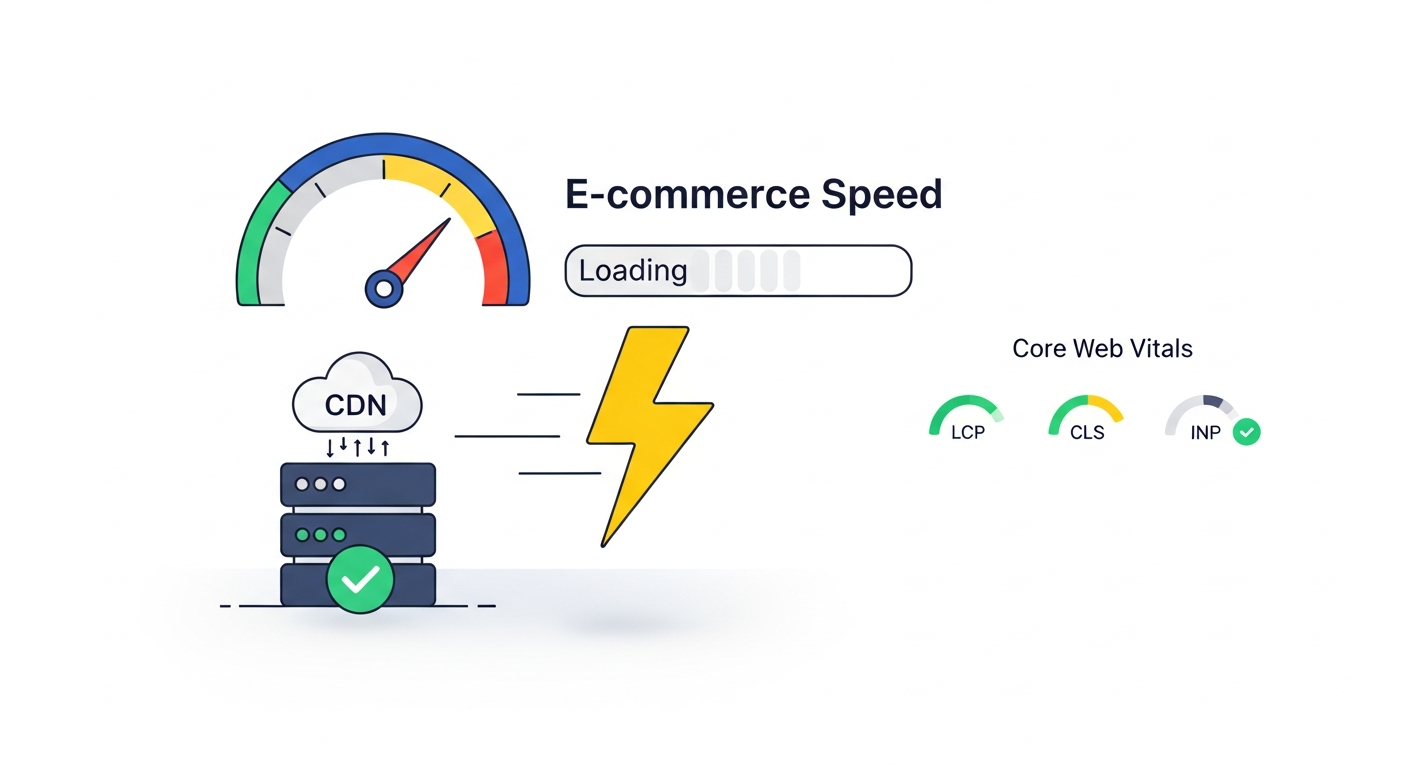
Magento stores often struggle with performance due to heavy themes, excessive extensions, and inefficient rendering. Slow page speed impacts rankings, crawl frequency, user experience, and conversion rates.
Common causes of poor performance include:
- JavaScript-heavy themes and third-party modules
- Poor hosting environments
- Unoptimized images and media files
- Inefficient caching configuration
Best practices for Magento speed optimization:
- Use high-performance hosting with PHP 8+, MySQL 8, and a CDN
- Enable full-page caching with Varnish and Redis
- Limit unnecessary extensions and scripts
- Use modern image formats like WebP or AVIF
- Lazy-load non-critical assets
Regular monitoring with Lighthouse and PageSpeed Insights is essential to maintain healthy Core Web Vitals.
Crawl Efficiency & Mobile-First Indexing
Google primarily crawls Magento stores using its mobile crawler, which means the mobile version must contain all critical content, internal links, and structured data.
Key crawl optimization strategies:
- Ensure mobile pages load complete content and navigation
- Maintain a clear category and URL structure
- Avoid JavaScript-only rendering for critical elements
- Use server-side rendering where possible
- Analyze server logs to understand crawl behavior
Efficient crawling helps search engines prioritize high-value pages and prevents crawl budget waste on low-quality URLs.
Magento Product SEO Issues
Simple vs Configurable Products
In Magento, configurable products should act as the primary SEO authority. Simple product variations (size, color, material) should not compete with the main product page.
Best practices:
- Canonicalize simple products to the parent configurable product
- Prevent indexing of variations unless they target unique search intent
- Inherit structured data from the main product
- Render canonical tags server-side for reliability
This consolidates ranking signals and aligns with how search engines and AI systems interpret product entities.
Product Titles & On-Page Content Optimization
Default Magento product titles are often generic and under-optimized.
Recommended title structure:
[Product Type] + [Key Attribute] + [Brand] + [Variant]
For large catalogs, use templates for scalability and manually optimize high-value SKUs. Avoid keyword stuffing, clarity and relevance outperform aggressive optimization.
Header Tag Structure (H1–H3)
Many Magento themes misuse header tags, leading to unclear content hierarchy.
Correct structure:
- One clear H1 for the product name
- H2 for major sections like descriptions, specifications, reviews
- H3 for supporting details
Proper heading structure improves accessibility, readability, and AI content interpretation.
Structured Data & Product Entities
Magento includes basic product schema, but modern SEO requires rich, complete structured data.
Essential schema attributes include:
- Product name, brand, SKU, GTIN
- Price and availability
- Size, material, color
- Aggregate ratings and reviews
Rich schema improves eligibility for rich results and ensures AI systems correctly understand and classify products.
AI Search & Answer Engine Optimization (AEO)
AI-powered search systems rely on clarity, completeness, and verified data rather than keywords alone.
To improve AI visibility:
- Include detailed product specifications
- Add FAQ sections with concise answers
- Display authentic customer reviews
- Maintain consistent attributes across the site
Well-structured content increases the likelihood of appearing in AI Overviews, conversational search results, and recommendation engines.
URL Structure & Duplication Issues
Product URL Best Practices
Magento allows category-based and top-level product URLs. Top-level URLs are generally preferred because they:
- Reduce duplication
- Consolidate authority
- Provide stable references for AI systems
Strong internal linking and correct canonicalization ensure search engines always index the preferred version.
Faceted Navigation & Filter Management
Filters can generate thousands of low-value URLs if unmanaged.
Best practices for filter SEO:
- Exclude filter URLs from XML sitemaps
- Apply canonical tags to main category pages
- Use noindex, follow where necessary
- Avoid infinite parameter combinations
- Keep important filtered views crawlable
AJAX filters are acceptable if crawlable fallback URLs exist.
URL Rewrites & Duplicate Paths
Magento’s rewrite system can unintentionally create duplicate URLs, such as:
- Multiple category paths
- /catalog/ versions
- Numbered duplicates
Regular audits, strict redirect rules, and blocking system paths help preserve crawl efficiency and ranking stability.
Pagination & Infinite Scroll
Google no longer uses rel=next/prev, making clear pagination essential.
Pagination best practices:
- Use self-referencing canonicals
- Provide unique titles and H1s for paginated pages
- Ensure infinite scroll has crawlable paginated fallbacks
This prevents orphaned products and ensures full catalog discoverability.
Adobe Commerce Page Builder & SEO
Adobe Commerce Page Builder supports SEO by enabling:
- Cleaner markup
- Consistent content templates
- Reduced layout bloat
Standardized components improve crawlability, performance, and AI understanding while supporting healthy Core Web Vitals.
Agentic Commerce Protocol (ACP) & Future SEO
The Agentic Commerce Protocol (ACP) allows AI agents to interact directly with ecommerce stores—comparing products, checking availability, and completing purchases.
To prepare for ACP:
- Maintain accurate, machine-readable product data
- Ensure consistent taxonomy and attributes
- Keep pricing and stock updated
- Plan for API-based AI interactions
Early adoption positions merchants for the next generation of AI-driven commerce.
Frequently Asked Questions
Is Magento good for SEO?
Yes. Magento can perform extremely well in SEO when properly optimized for speed, structure, and structured data.
What are the biggest Magento SEO issues?
Site speed, duplicate URLs, faceted navigation, weak schema, and poor mobile optimization.
Does Magento support AI search optimization?
Yes, when product data is structured clearly and consistently, Magento stores can perform strongly in AI-driven search results.
Final Thoughts
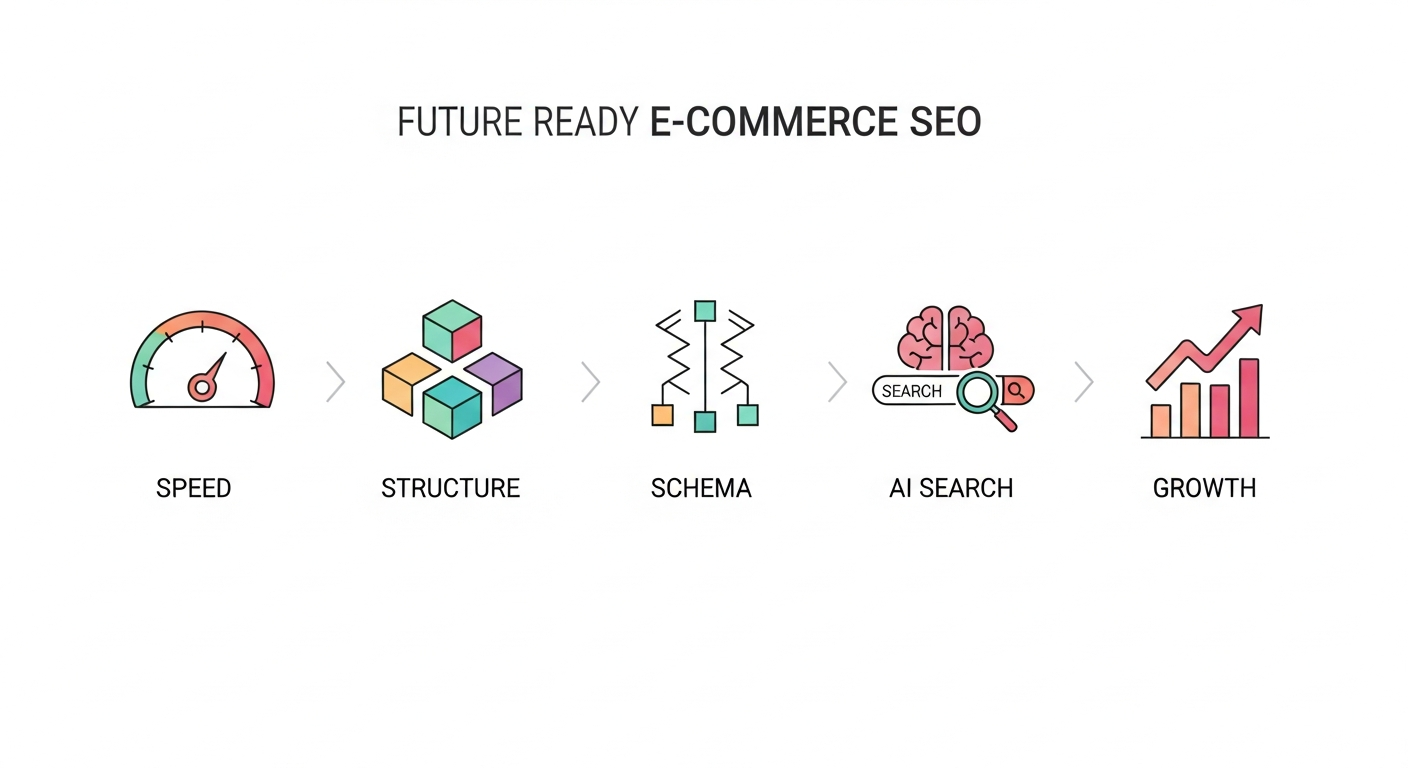
Magento (Adobe Commerce) is a powerful ecommerce platform, but SEO success depends on technical discipline and strategic optimization. Clean URLs, fast performance, efficient crawling, structured data, and AI-ready content form the foundation of sustainable organic growth.
By addressing common Magento SEO issues and preparing for AI-driven discovery, merchants can ensure long-term visibility, higher conversions, and future-proof ecommerce performance through 2026 and beyond.
For those looking to understand how technical SEO and AI-driven search are applied in real projects, a digital marketing course in Thrissur can offer valuable practical exposure beyond theory.


