 Skip to content
In today’s digital first world, your personal branding is no longer optional it is your professional identity. Whether you are an aspiring digital marketer, a freelancer, a consultant, or someone aiming for career growth, how you present yourself online can strongly influence the opportunities you attract.
Social media has become a modern-day portfolio. Every post you publish, every comment you leave, and every interaction you make contributes to how people perceive your expertise, credibility, and personality. In fact, many employers and recruiters actively review social profiles before making hiring decisions.
The good news is that personal branding is not reserved for influencers or public figures. With the right strategy, consistency, and clarity, anyone can build a strong personal brand on social media and establish authority in their niche.
This guide covers practical, proven steps to build a professional personal brand that stands out and delivers long-term career value.
What is Personal Branding?
Personal branding is the intentional process of shaping how others see you professionally. It includes your online presence, the value you provide, the expertise you highlight, and the personality you project.
In simple terms, your personal brand is the reputation you build through your content, communication style, and professional positioning.
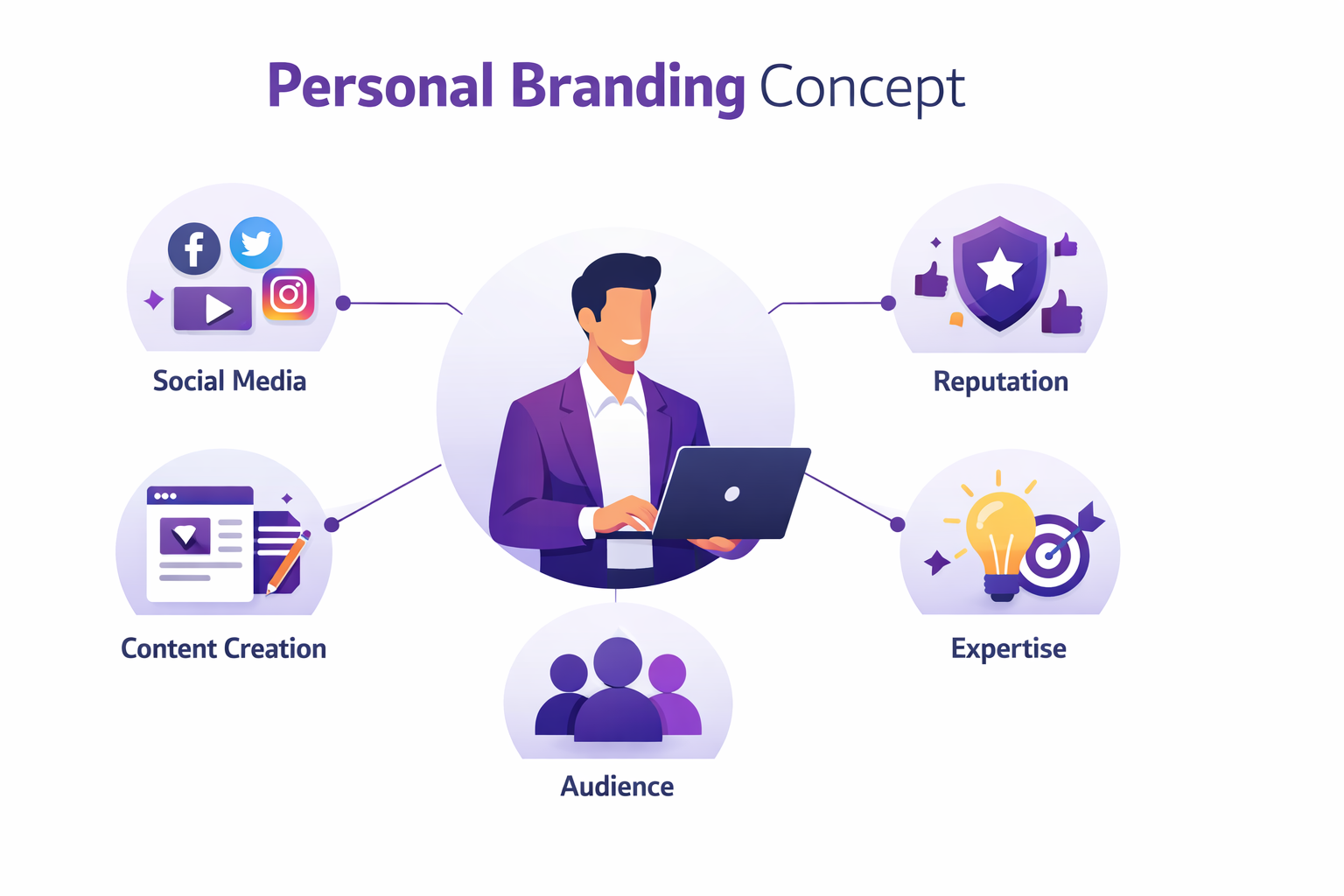
A strong personal brand helps you:
- Build credibility in your industry
- Create trust with recruiters, clients, and peers
- Position yourself as a specialist in a specific niche
- Grow a meaningful professional network
- Attract collaborations, freelance work, and job opportunities
- Stand out in competitive markets like digital marketing
Instead of allowing people to form random opinions about you, personal branding allows you to control your narrative.
Why Personal Branding Matters More Than Ever
The digital marketing industry is crowded, and skills alone are not enough. Thousands of professionals can run ads, optimize SEO, or write content but not everyone communicates their expertise effectively.
A well-developed personal brand becomes your advantage because it makes your work visible.
Key reasons personal branding is essential today
- Employers often review social profiles before interviews
- Clients prefer working with people they trust and recognize
- Personal brands grow faster than company brands on social media
- Thought leadership leads to career credibility and better opportunities
- Your online image can influence salary, consulting rates, and partnerships
- In short, your personal brand becomes your long-term career asset.
Step 1: Audit and Clean Up Your Social Media Presence
Before building a strong image, you need to evaluate what already exists. Many people have old profiles, outdated bios, or inactive accounts that no longer represent their professional goals.
What to check during a personal brand audit
- Are your profile photos professional and consistent?
- Is your bio aligned with your current career direction?
- Do your old posts support or damage your credibility?
- Are you active on too many platforms with no clear focus?
- Are your usernames consistent across platforms?
Recommended action points
- Delete unused or irrelevant accounts
- Update your bios with clear professional messaging
- Remove content that doesn’t align with your values
- Make your professional profiles public and polished
- Keep personal profiles private if needed
A strong personal branding strategy always begins with clarity and cleanup.
Step 2: Define Your Niche and Area of Expertise
Personal branding becomes powerful when you are known for something specific. If your content is scattered across multiple unrelated topics, it becomes harder for people to associate you with expertise.
Instead, define your niche and focus area.
Questions to help define your niche
- What digital marketing skills am I best at?
- What topics do I enjoy learning and sharing?
- What kind of problems can I solve better than others?
- Who do I want to attract: recruiters, clients, students, or marketers?
Examples of strong niches in digital marketing
- SEO and content strategy
- PPC and performance marketing
- Social media growth strategy
- Email marketing automation
- Branding and storytelling
- Analytics and conversion optimization
Once your niche is clear, your audience will start recognizing you as a specialist instead of a generalist.
Step 3: Build a Clear Personal Brand Statement
A personal brand statement is a short summary of what you do and who you help. It makes your positioning stronger and your message more memorable.
Example personal branding statements
- Your role or expertise
- The audience you serve
- The value you deliver
Example personal branding statements
- “I help eCommerce brands grow through data-driven PPC campaigns and conversion optimization.”
- “I create SEO-focused content strategies that improve rankings and drive long-term traffic.”
- “I help startups build brand visibility through social media marketing and storytelling.”
This statement should reflect across your LinkedIn headline, Instagram bio, portfolio, and personal website.
Step 4: Optimize Your Key Social Media Profiles
Your social profiles should function like a digital resume and portfolio combined.
LinkedIn Optimization Tips
LinkedIn is one of the most powerful platforms for professional personal branding.
Focus on:
- A strong headline with keywords (SEO, PPC, digital marketing strategist, etc.)
- A clear “About” section written in a professional tone
- Featured portfolio links or case studies
- Recommendations and skill endorsements
- Regular posting and engagement
Other Platforms to Consider
Different platforms support different types of personal branding.
- Instagram: strong for visual storytelling, lifestyle branding, and reels
- X (Twitter): best for thought leadership, opinions, and industry commentary
- YouTube: ideal for tutorials, personal authority, and long-term discoverability
- TikTok: best for quick tips, trends, and younger audiences
- Facebook Groups: useful for community building and niche networking
The best approach is to choose 2–3 platforms and focus consistently rather than trying to dominate every channel.
Step 5: Create and Share High-Value Content Consistently
Content is the foundation of personal branding. If you want visibility, credibility, and trust, you must consistently share insights that demonstrate your expertise.
However, posting daily is not necessary. A consistent and sustainable strategy is far more effective than burnout posting.
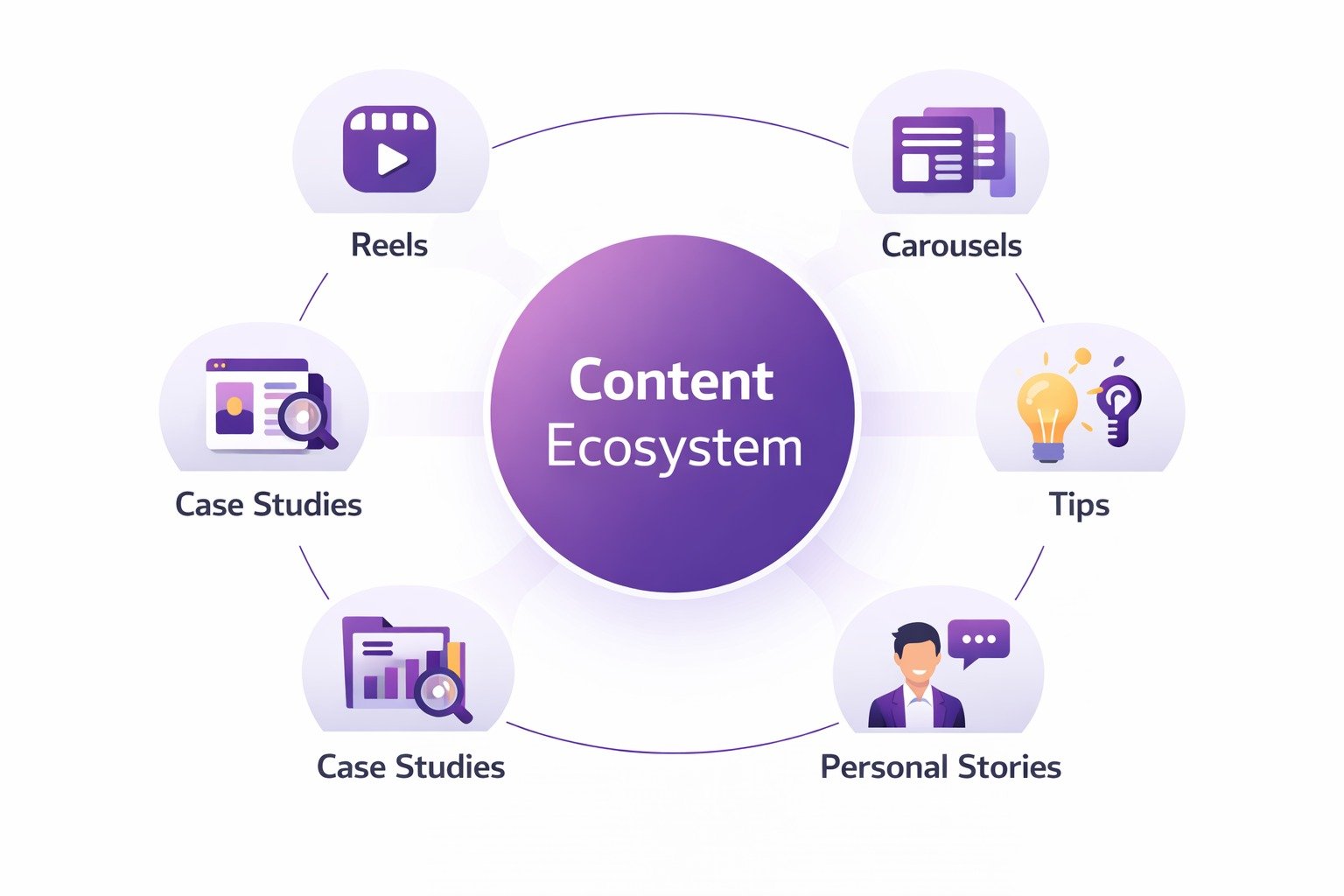
Best content formats for personal branding
- Educational posts (how-to tips, step-by-step guides)
- Case studies and campaign breakdowns
- Industry news with your analysis
- Mistakes you made and lessons learned
- Tools and resources you recommend
- Behind-the-scenes of your work process
- Short-form videos and reels
- Personal career experiences and milestones
Recommended posting frequency
- 3 to 4 posts per week for individuals
- Consistent engagement on other people’s content daily
The goal is not just posting often, but posting with purpose.
Step 6: Use AI Tools to Improve Reach and Productivity
AI has transformed how professionals manage content and branding. The right tools can help you create better content, improve consistency, and track performance without wasting time.
Useful AI tools for personal branding
For content writing and research:
- ChatGPT
- Perplexity
- Feedly AI recommendations
For scheduling and management:
- Buffer
- Sprout Social
- Hootsuite
For SEO and keyword strategy:
- SEMrush
- Ahrefs
- Google Trends
For design and visuals:
- Canva AI
- Adobe Express
- Lumen5 for video creation
AI should not replace your voice. It should strengthen your workflow while keeping your messaging authentic.
Step 7: Build Credibility Through Proof and Results
A personal brand becomes believable when backed by real evidence. Instead of only claiming expertise, show what you have done.
What to showcase to build authority
- Campaign results (CTR, conversions, ROI improvements)
- Website growth statistics
- SEO ranking improvements
- Client testimonials
- Before-and-after case studies
- Certifications and training achievements
- Portfolio samples and content links
Even small wins matter. Consistently documenting progress builds trust over time.
Step 8: Be Authentic, Positive, and Intentional
A professional personal brand should still feel human. People follow people, not robotic profiles.
How to build trust through authenticity
- Share opinions respectfully
- Communicate clearly without exaggeration
- Maintain professionalism in public interactions
- Respond politely to criticism
- Share personal insights occasionally (hobbies, learning, travel)
Authenticity does not mean oversharing. It means being honest, consistent, and aligned with your values.
Step 9: Join Communities and Expand Your Network
Personal branding grows faster when you are visible in the right spaces. Networking is not about collecting followers—it is about building professional relationships.
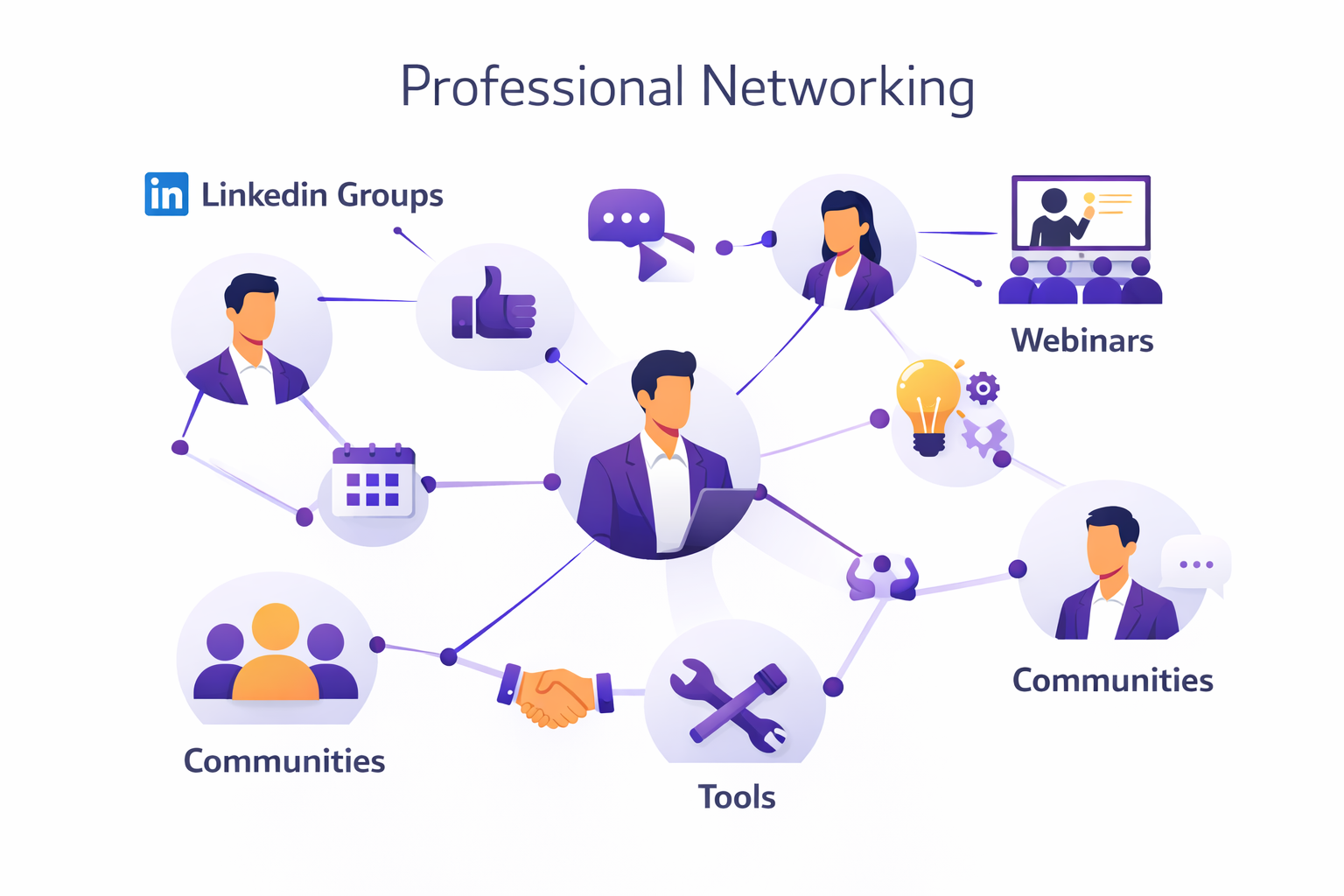
Where to network effectively
- LinkedIn groups
- Facebook professional communities
- Reddit niche discussions
- X (Twitter) communities
- Discord and Slack marketing groups
- Industry webinars and online conferences
Smart networking actions
- Comment meaningfully on expert posts
- Share valuable perspectives in group discussions
- Collaborate on content or live sessions
- Connect with professionals and follow up respectfully
Visibility combined with contribution builds long-term influence.
Step 10: Maintain Consistency in Voice, Tone, and Visual Identity
A strong personal brand feels recognizable. That happens through consistency.
Key elements to keep consistent
- Profile photo and banner design
- Writing style and tone
- Topics you frequently discuss
- Content format (carousels, videos, threads, etc.)
- Brand colours and visual templates
Consistency helps your audience remember you, trust you, and associate you with expertise.
Step 11: Learn, Upskill, and Validate Your Expertise
Certifications are not everything, but they strengthen credibility—especially for early-stage marketers.
Popular certifications for digital marketers
- Google Ads Certification
- Google Analytics Certification
- HubSpot Content Marketing
- Meta Blueprint Certification
- SEO and Email Marketing certifications
Upskilling keeps your personal brand relevant. Enrolling in a digital marketing course in Thrissur helps you stay updated with industry trends, positioning you as a modern professional rather than an outdated one.
Conclusion: Build a Personal Brand That Creates Opportunities
Building your personal brand on social media is not about becoming famous. It is about becoming visible, trusted, and respected in your professional space.
When you define your niche, optimize your profiles, create consistent content, engage with the right communities, and communicate authentically, you create a personal brand that attracts opportunities naturally.
The strongest personal brands are built over time through consistency, value, and credibility. Start small, stay focused, and keep improving. Your online presence can become the reason someone hires you, partners with you, or recommends you for your next big opportunity.
Your personal brand is your career’s long-term investment. The best time to start building it is now.


